
Most travellers return from Rio with the same photographs. Christ the Redeemer overlooking the city. Copacabana stretching along the shoreline. A sunset viewed from a rooftop bar as the sky turns shades of gold and pink.
And all of that is worth seeing.
But Rio is a city of layers. Beyond the famous landmarks lies another side of the city — one shaped by neighbourhoods, communities, traditions and everyday moments that rarely appear in guidebooks.
To discover it, you simply have to step away from the postcard.
A Morning in Vidigal
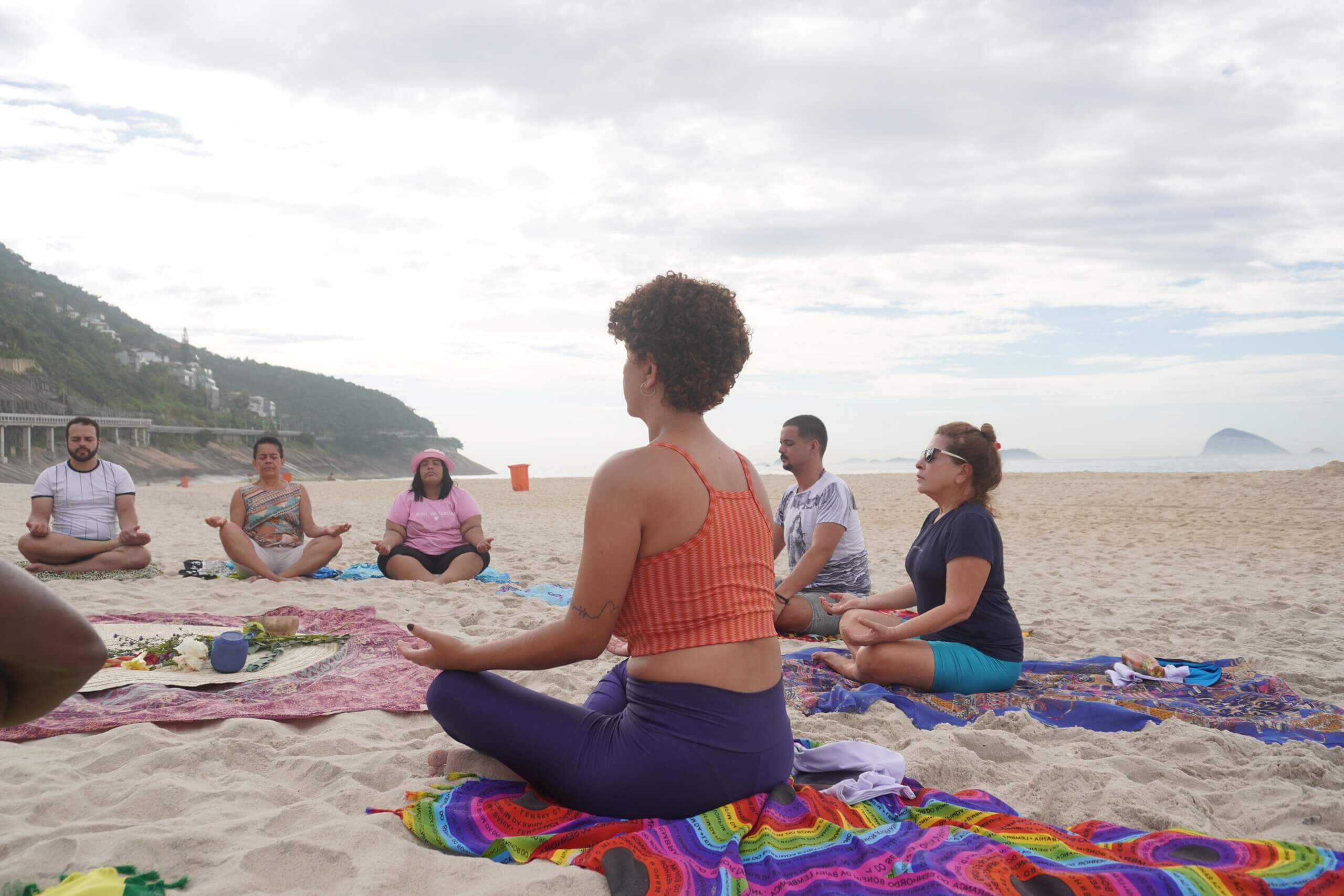
As the sun rises over the Atlantic, the day begins in Vidigal, a hillside community with some of the most spectacular views in Rio.
Here, visitors are welcomed by the Bromélia Project, a local initiative that uses art, education and wellness to support the community. The experience starts with conversations about daily life in the neighbourhood before a short walk leads to an open-air terrace overlooking the city.
Alongside local women, participants join a yoga session as Rio slowly wakes up below. Afterwards, everyone gathers for a shared breakfast, exchanging stories and perspectives.
Walking back through the narrow alleyways, scenic viewpoints and colourful streets offers a glimpse into a side of Rio that many visitors never see — one built on creativity, resilience and a strong sense of community.
All of that exists. And it’s just a few hours from the country’s most visited destinations.

Sunday Morning, Carioca Style
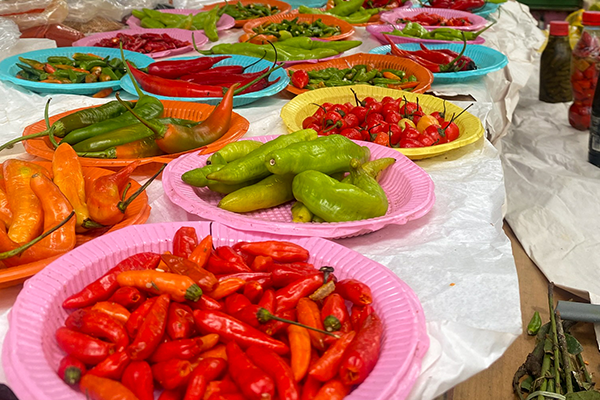
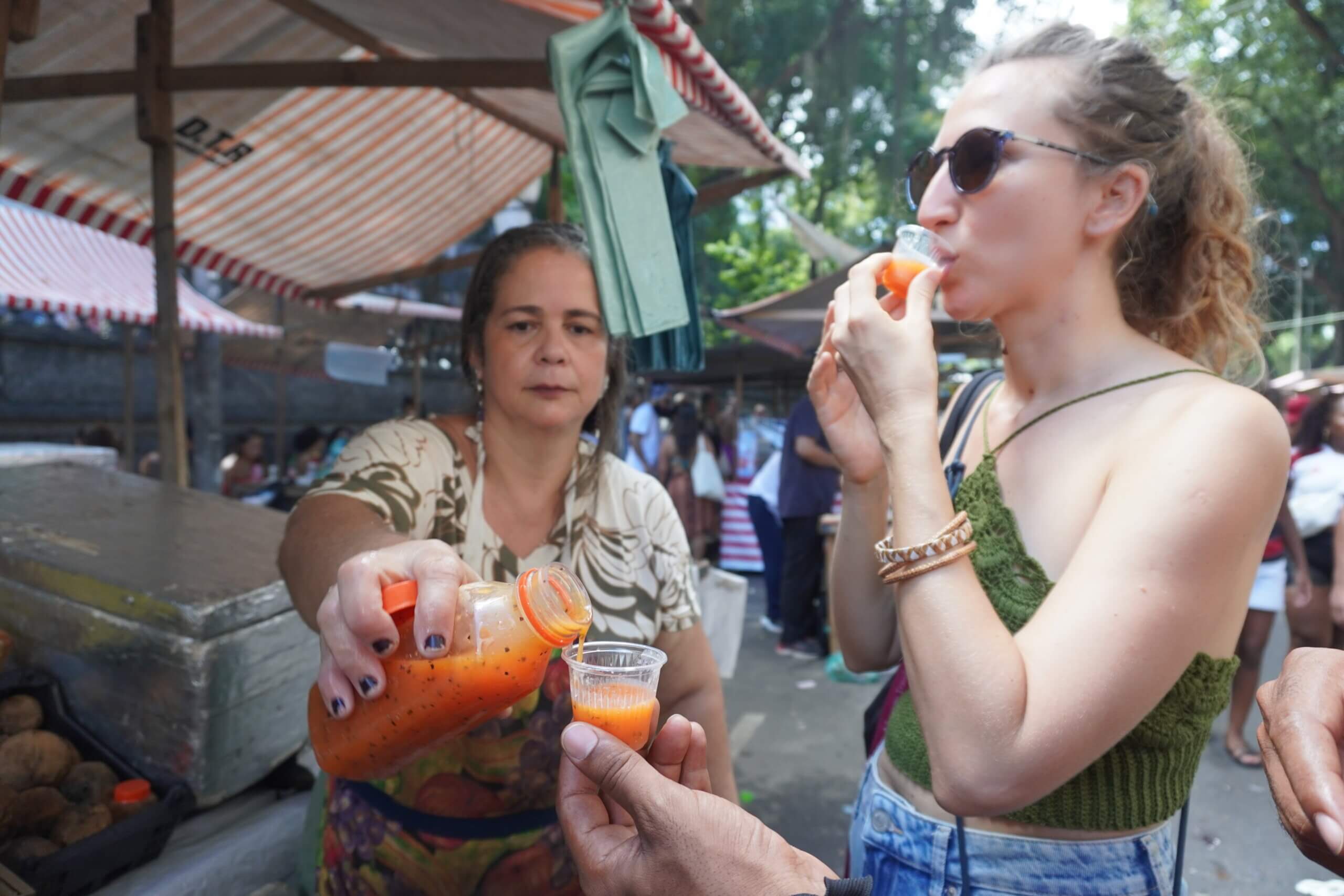
The Sunday market offers a completely different window into the city.
The calls of vendors fill the air. Tropical fruits are stacked high on market stalls. Families stop to chat while doing their weekly shopping. Neighbours greet one another as they have done for years.
Nothing here is organised for visitors. There are no performances, no curated experiences, no souvenir stands designed for tourists.
Instead, there is simply Rio being itself.
Understanding Rio Through Its Communities
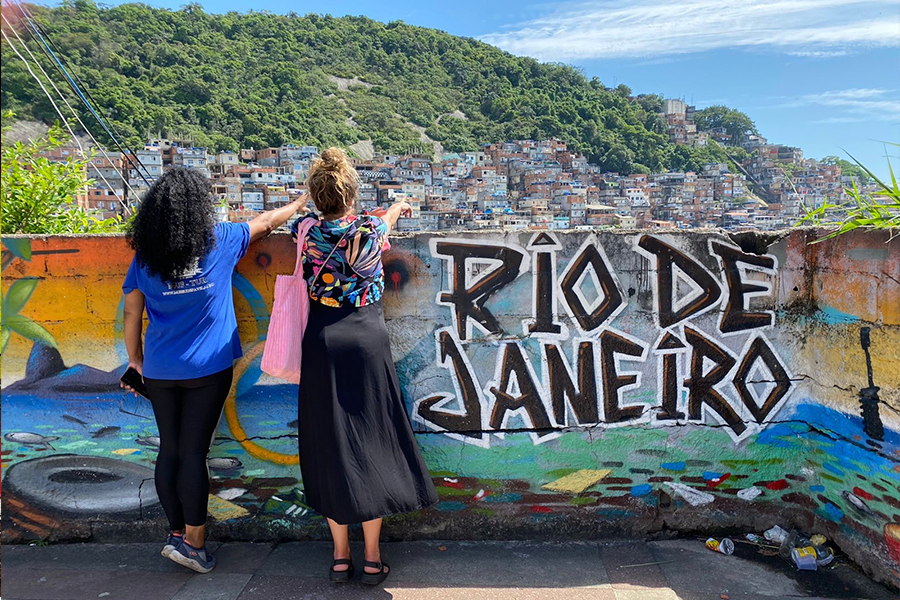
To understand Rio, it helps to look beyond the beachfront neighbourhoods that most travellers know.
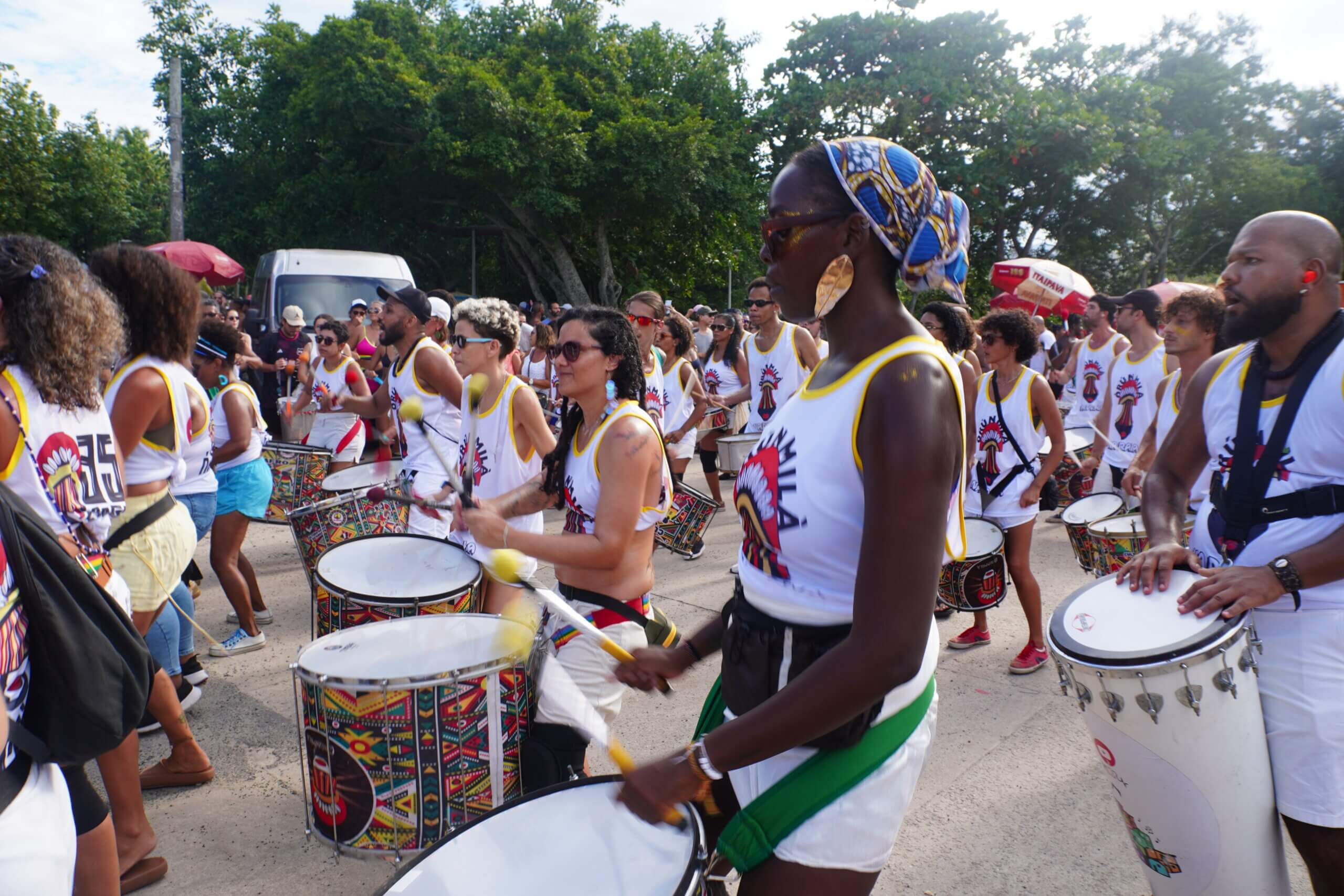
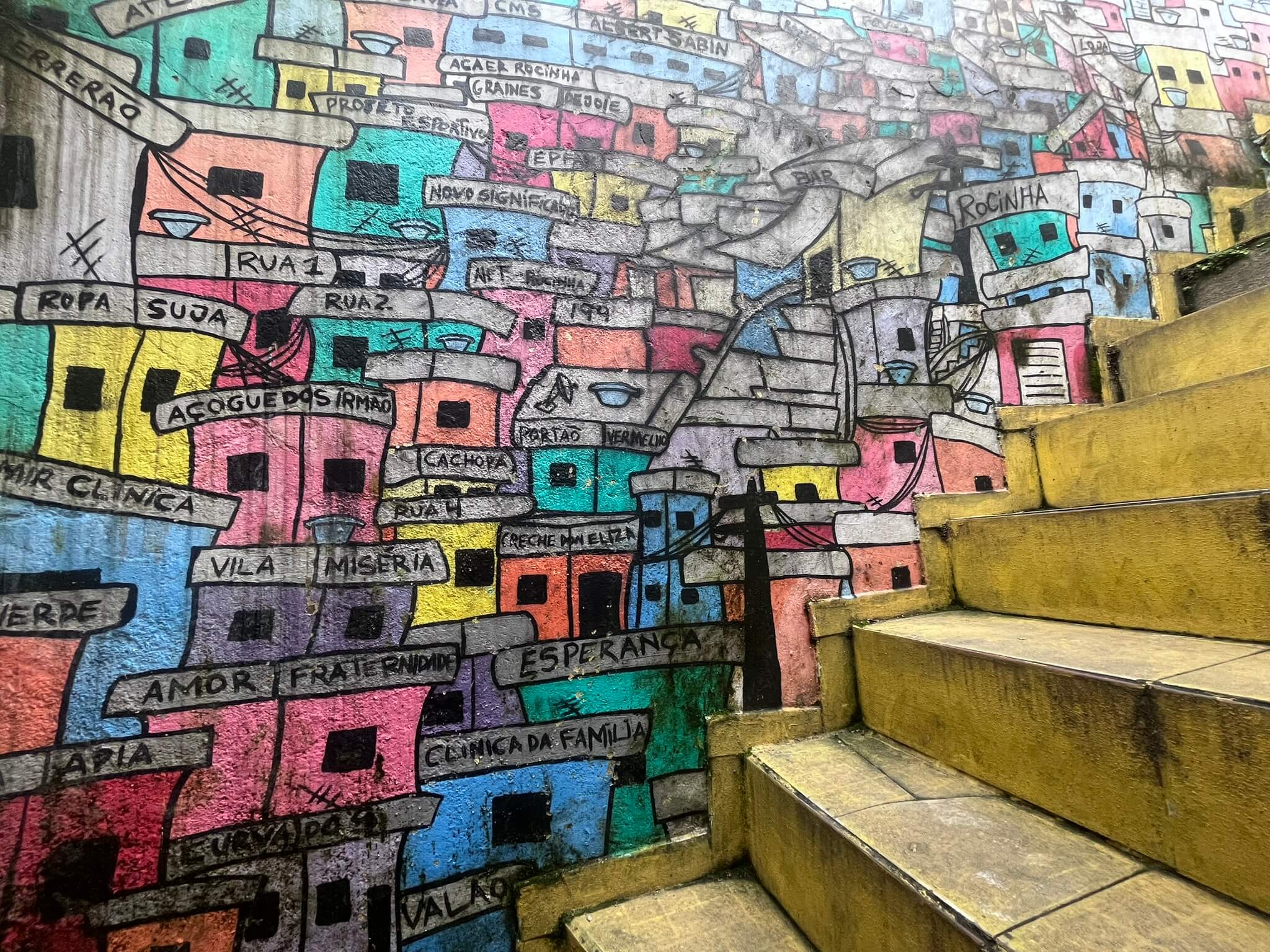
In Rocinha, the city’s largest favela, visitors explore with local guides who share the history, culture and daily realities of a community that functions almost like a city within a city. Small businesses, football pitches, family-run shops and bustling streets create an atmosphere unlike anywhere else in Rio.
Every corner tells a story that rarely makes it into traditional travel narratives.
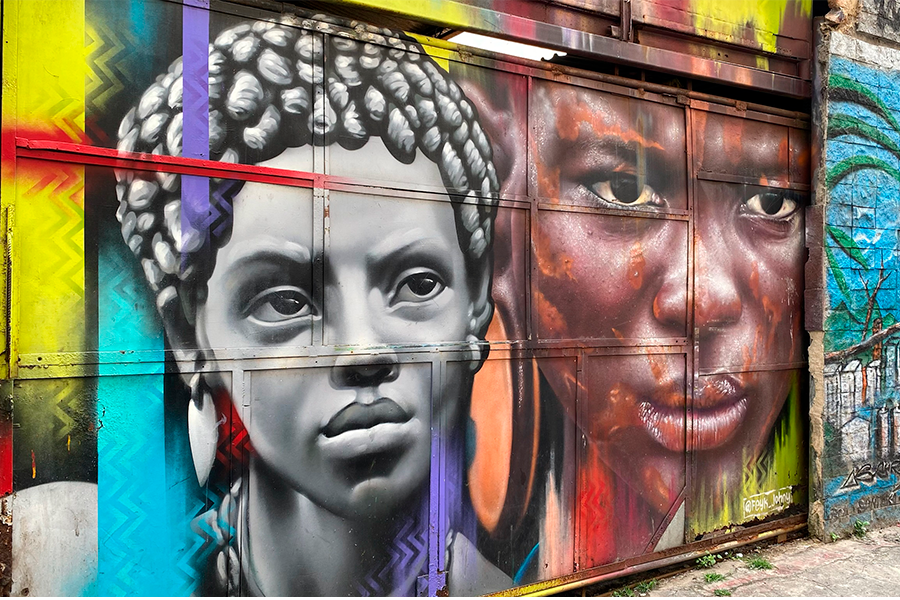
Elsewhere, in the hills between Ipanema and Copacabana, an open-air art gallery offers another perspective. Guided by a local activist, visitors discover murals that trace the history of the community, from its origins to the present day.
The artwork transforms walls into storytellers, revealing the people, struggles and achievements that have shaped this part of the city over generations.
A Sunset Shared Over a Caipirinha
As the day winds down, Rio’s social spirit takes centre stage.
In Ipanema, a cocktail workshop introduces visitors to some of Brazil’s most iconic drinks. Beyond the recipes themselves, each cocktail tells a story — of celebrations, family gatherings, beach afternoons and evenings spent with friends.
With a freshly prepared caipirinha in hand, a short walk leads to the beach.
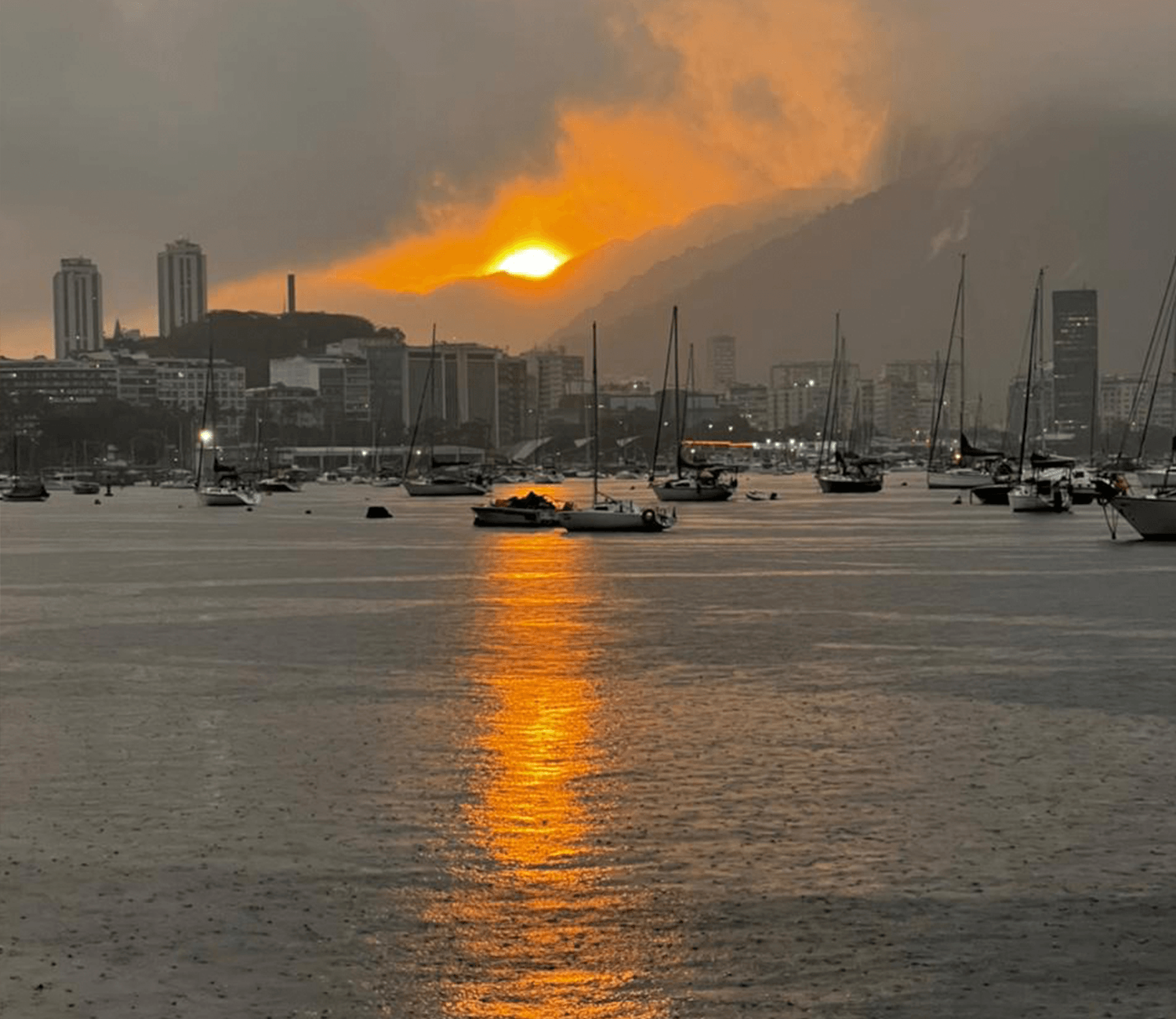
The sun begins to sink into the horizon. Locals gather on the sand. Conversations slow. The sky turns gold, orange and pink.
It is one of Rio’s most famous rituals, yet somehow it never feels staged.
It is in these ordinary moments that the city’s character often reveals itself most clearly.
Beyond the Postcard
The yoga session in Vidigal. The Sunday market. The stories hidden within Rio’s communities. The sunset in Ipanema.
They may seem like very different experiences, but together they reveal something important: the most memorable side of Rio is not always the one that appears on postcards.
It is found in conversations, shared meals, neighbourhood streets and the people who give the city its unique character.
Because there is a difference between visiting Rio and understanding it.
And once travellers discover the city behind the postcard, it is often that version of Rio they remember most.
If you would like your travellers to experience Rio this way, we would be delighted to help design the journey.