
Costa Rica is one of the most visited destinations in Latin America. And for good reason. The nature is extraordinary, the tourism infrastructure works, and there are experiences for every kind of traveller.
But there’s something that almost always happens: visitors leave with a very clear idea of the landscapes and very little idea of the local culture.
And Costa Rica has an incredibly rich local culture.
What the classic destinations don’t show
La Fortuna, Monteverde, Manuel Antonio. Beautiful places, all worth visiting. But travelling through them doesn’t tell you much about how people live, what they eat, what they celebrate, what languages they speak, what traditions they keep.
Costa Rica has eight indigenous ethnicities. Each with its own language, its own cosmovisión, its own ways of making and understanding the world. It has regions where coffee isn’t just a product but part of the identity of an entire community. It has families who keep recipes passed down through generations and crafts that carry centuries of history.
All of that exists. And it’s just a few hours from the country’s most visited destinations.
Coffee, from the inside
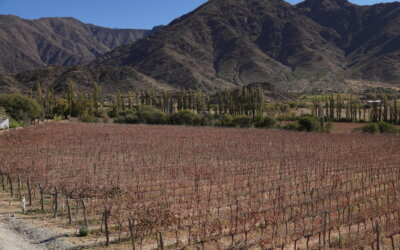
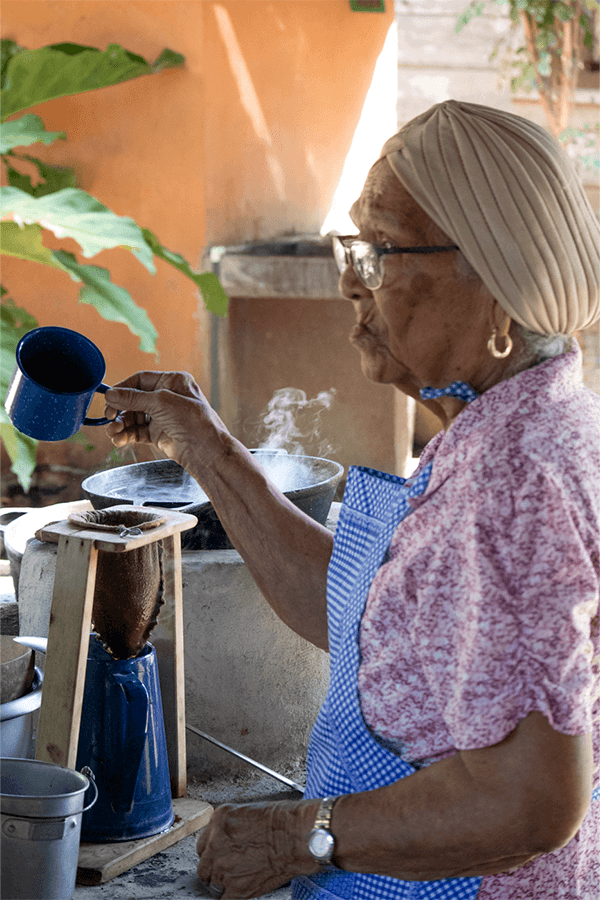
In the mountainous region of San Marcos de Tarrazú, some of the world’s finest coffees are born. But more than the product itself, what makes this area special is everything behind it.
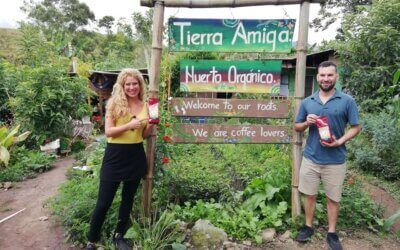
Initiatives like Tierra Amiga are led by people like Lucidia, a local changemaker who has built something rare: a coffee experience that is artisanal, traditional, and deeply personal. Visiting her is nothing like a standard coffee tour. It’s understanding what this crop means to a family, to a community, to a way of life that has been shaped by the land for generations.
It’s a very different entry point into the country. Slower, deeper.
Guanacaste: a way of living that still exists
Guanacaste is known for its beaches. But the tourism that fills those beaches rarely reaches the communities living just inland, and it leaves very little behind in the local economy.
That inland Guanacaste tells a completely different story.
This region is one of the world’s Blue Zones, places where people live longer and better. And it’s not by accident. The people here move constantly as part of their daily routine, eat fresh and unprocessed food, maintain strong family and community ties, and live with a clear sense of purpose. The rhythm is slower, the connection to nature is real, and the values that hold communities together are still very much alive.
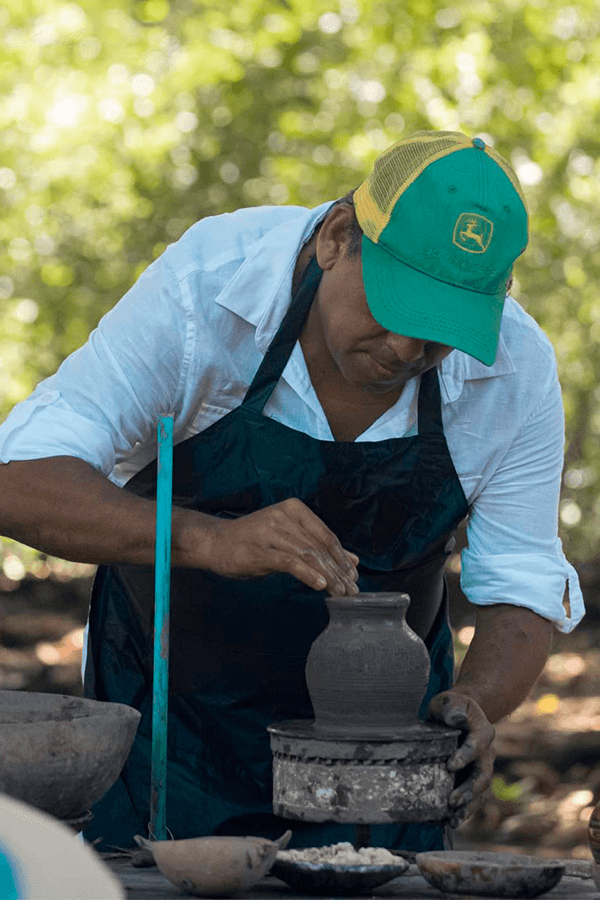
In Matambú, Chorotega pottery is still a living practice rooted in centuries of ancestral knowledge. For the Chorotega people, the search for clay is far more than craftsmanship. Families journey to specific sites where the earth provides the right kind of clay, following lunar cycles and traditions passed down through generations. Each piece carries a meaning that goes far beyond its physical form. Taking part in it isn’t just a workshop, it’s touching something that is still intact, kept alive by people who chose not to let it disappear.
The south: where indigenous culture has its own voice
In Térraba and Boruca, in the South Pacific, the Centro Etnoturístico El Descanso offers something hard to find anywhere else: the chance to truly connect with an indigenous community, not as a spectator but as an active participant.
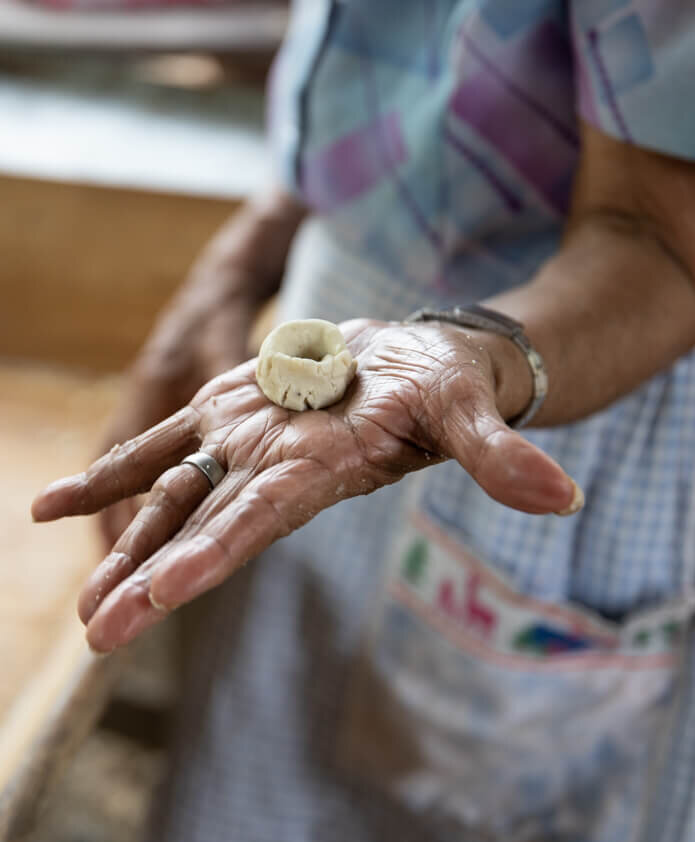
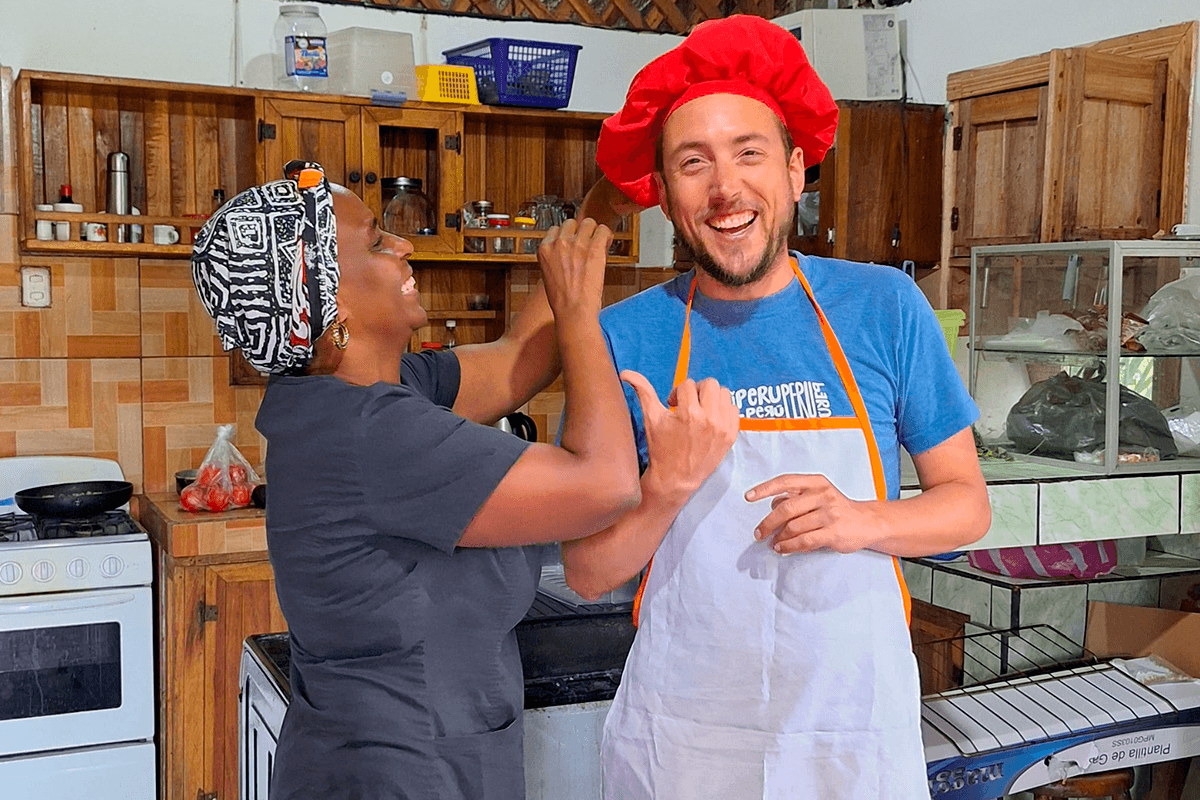
One of the most quietly powerful moments happens in a simple home kitchen. An older woman from the community teaches travellers how to prepare traditional rice tamales, wrapping them in leaves picked fresh from the garden just outside. It’s unhurried, generous, and completely genuine.
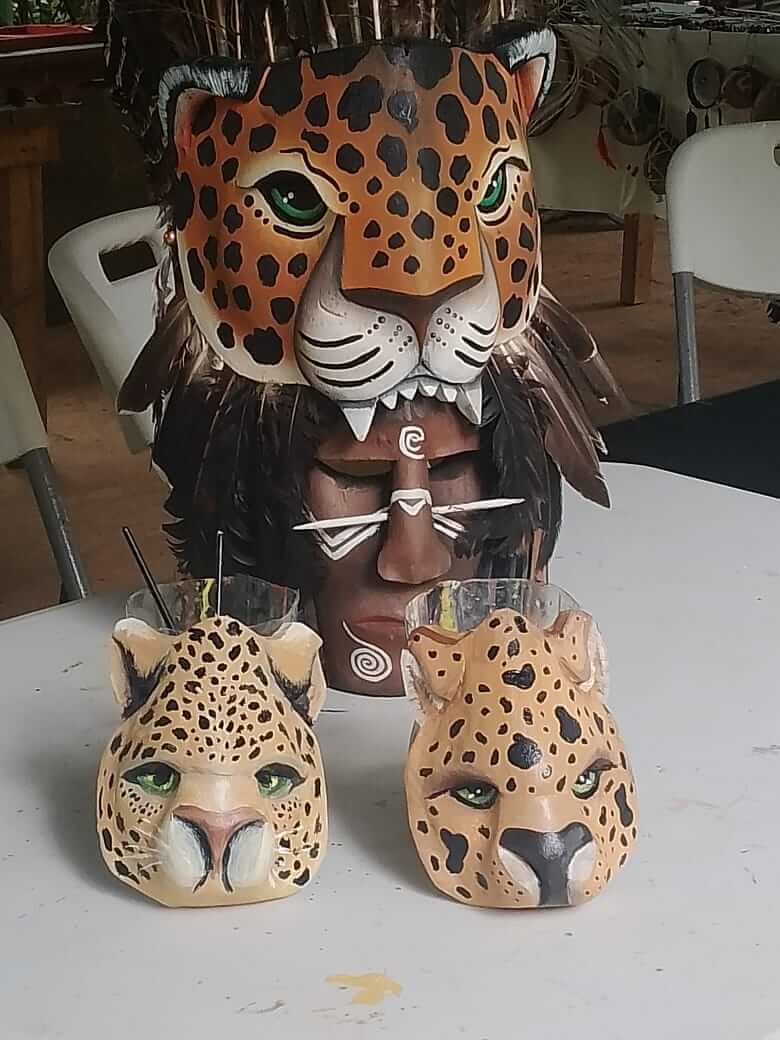
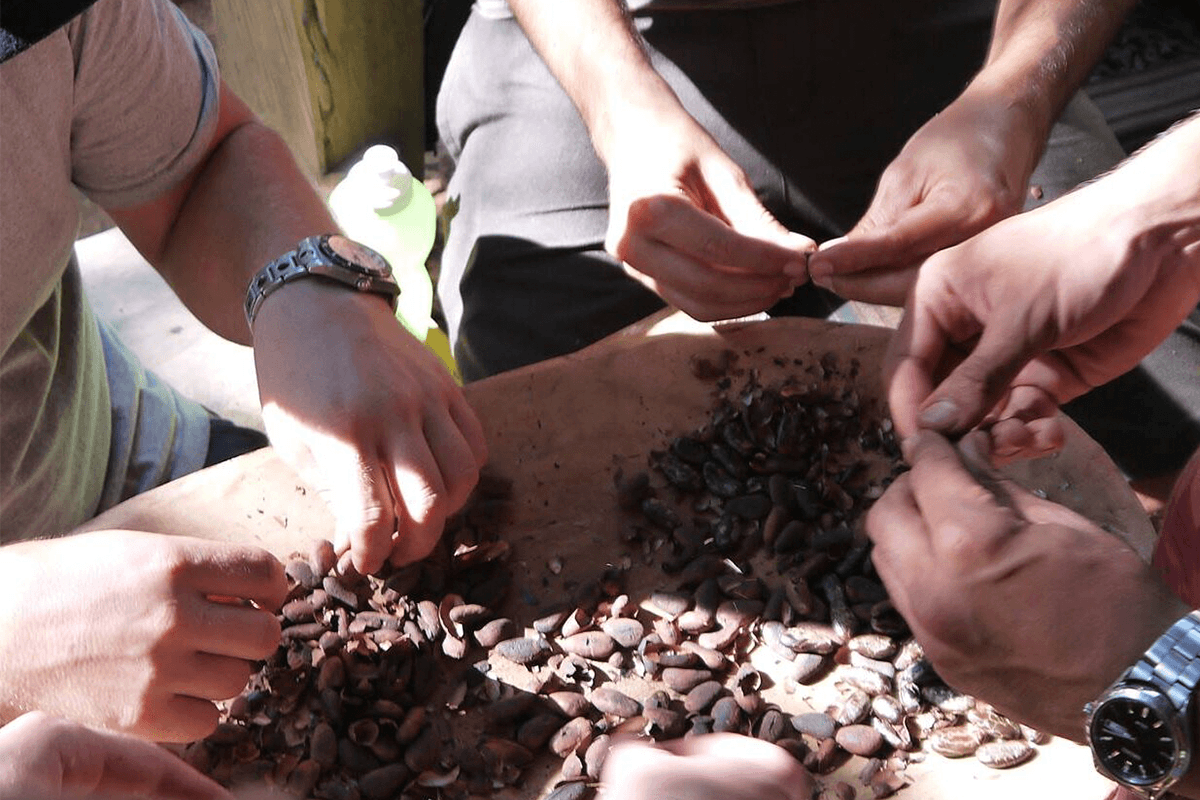
There are also ancient petroglyphs that tell the ancestral history of the region, cacao experiences from plant to chocolate, and wood mask workshops, one of the most profound symbols of local identity.
What stays with you isn’t any single activity. It’s the pride with which people share their knowledge, the humility of the spaces, and the way everything, food, craft, story, is offered openly and without reservation to those who come to listen.
These are living traditions. And every visit contributes directly to keeping them alive, strengthening the local economy and the visibility of what these communities have always known.
How they fit into a journey
These destinations can be combined with the classics in different ways. It’s not an alternative itinerary, it’s another layer within the same trip.
A day in San Marcos de Tarrazú on the way to the coast. An afternoon in Matambú within a Guanacaste itinerary. An experience in Boruca as part of a South Pacific route. These are additions that don’t complicate the logistics but completely change what the traveller takes home.
They are experiences for curious travellers who value the authentic over the perfect, who want to connect with local culture and understand that supporting these communities is also part of responsible travelling.
If you want your guests to take this version of Costa Rica home with them, we’re here to help you build it.
Experiences to explore in Costa Rica
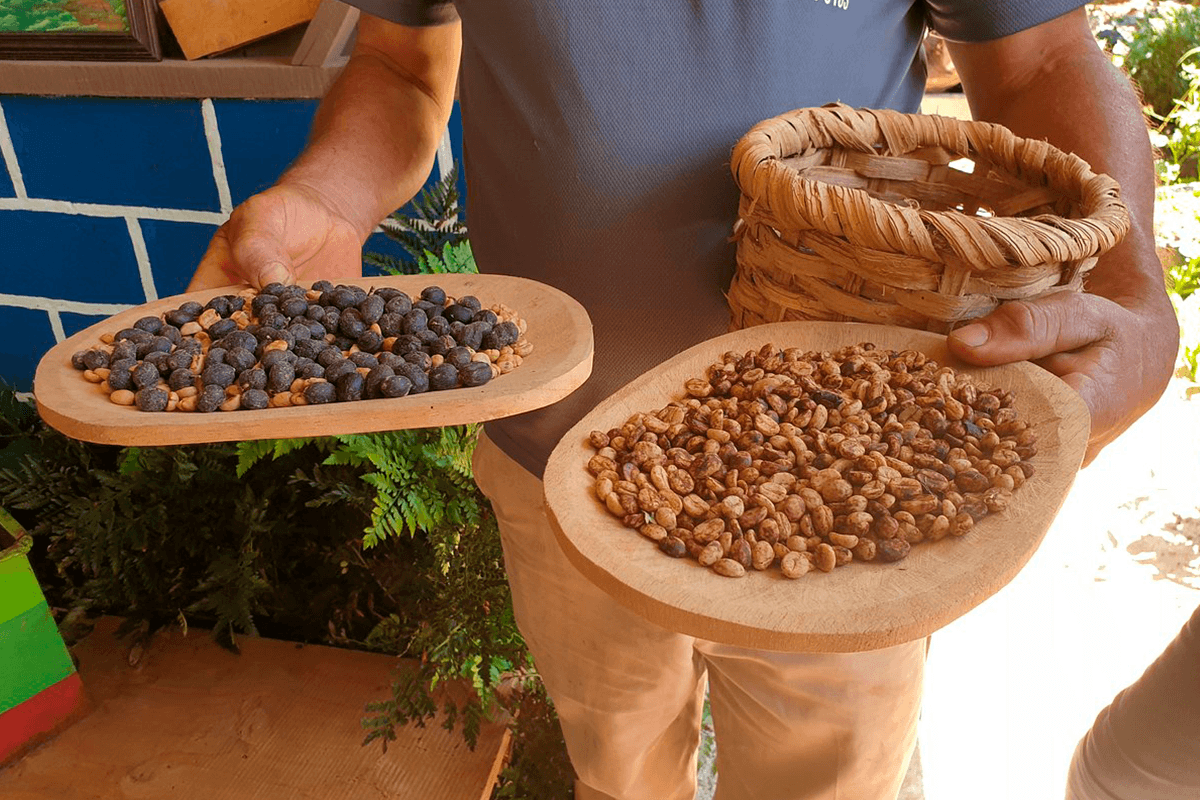
Discover the cultural legacy of Costa Rica’s coffee-growing communities in San Marcos de Tarrazú, where generations have shaped a tradition rooted in sustainability, craftsmanship, and a deep connection to the land.

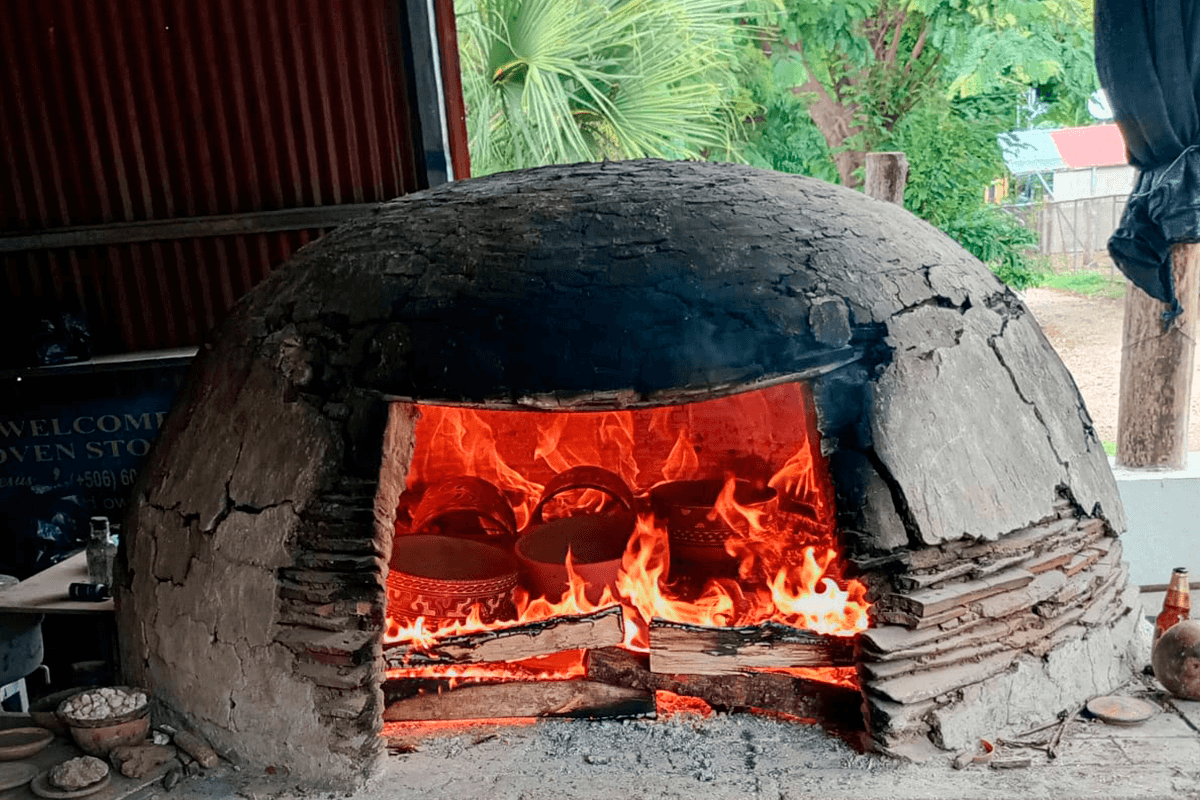
Explore the ancestral heritage of the Chorotega people in Guanacaste through traditional cuisine and pottery, preserving techniques, symbols, and knowledge passed down over centuries.
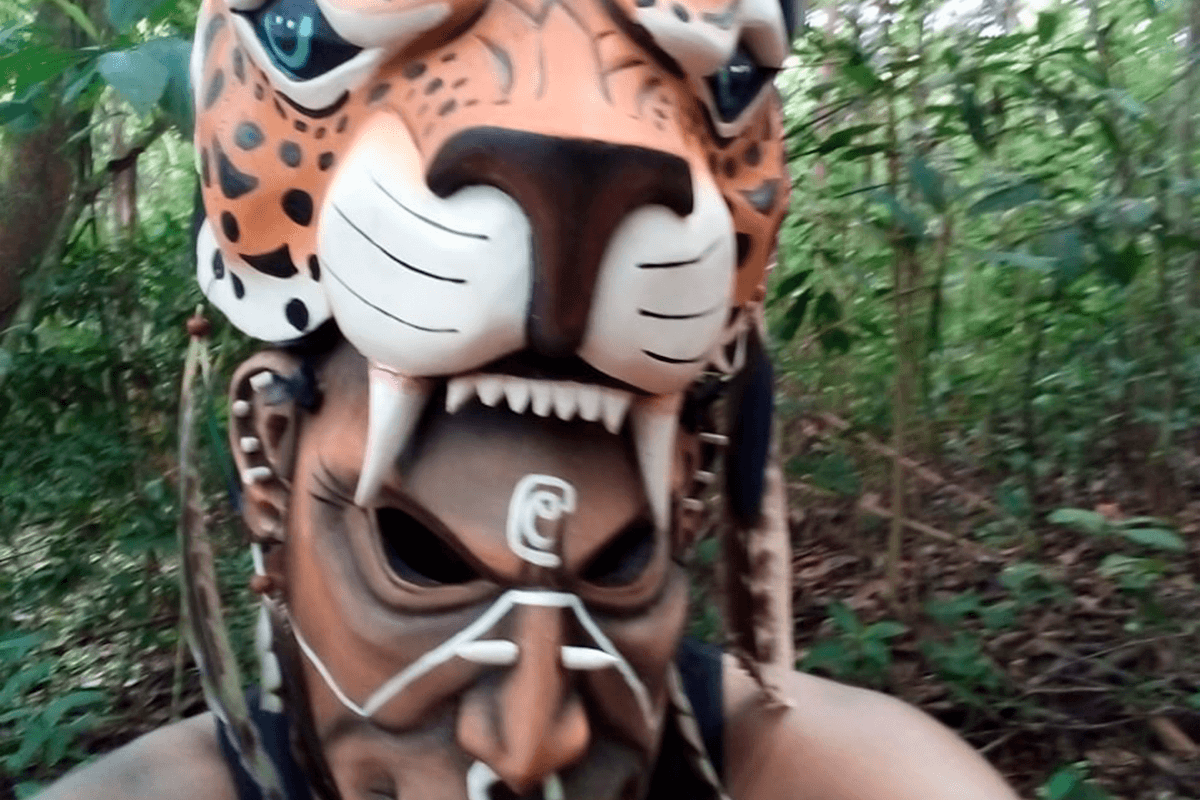
Engage with the living cultural legacy of Costa Rica’s indigenous communities in Térraba and Boruca, where storytelling, artisanal practices, and spiritual traditions continue to define identity and community life.